Newsrooms and content teams today operate with a platform first mindset. A single story may debut on Instagram, receive live updates on X, offer long form context on YouTube, and appear as a follow up in a newsletter the next morning. AI now supports drafting, editing, clipping, and translation, but it also raises serious questions around originality, ethics, and trust. Interns are expected to manage this pace while reporting responsibly and working across text, video, social media, and basic analytics.
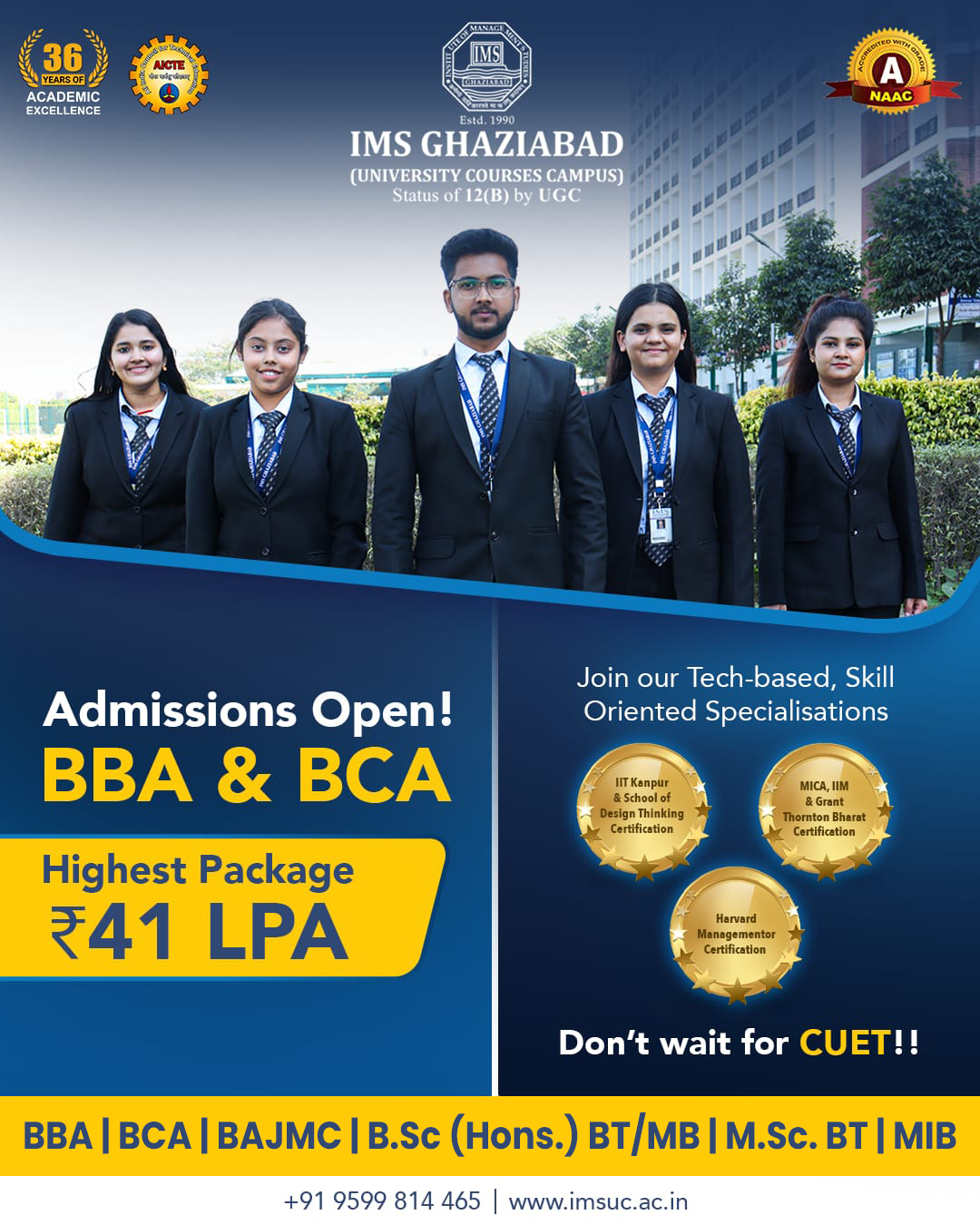
For students comparing options such as top journalism courses Delhi NCR, these expectations should directly shape their decision. The BJMC programme at IMS Ghaziabad (University Courses Campus) is structured around this reality, so students practice the way modern newsrooms and content teams actually function. This blog translates those expectations into a clear and practical skill checklist to help students prepare for internships and placements.
You need clean, accurate copy, angles that make sense for digital media, and interviews that show preparation, follow-up questions, and clear attribution. All these are to be delivered on time.
Editors expect a repeatable fact checking process, confidence in source verification, and basic awareness of deepfakes and AI generated content. Having at least one verification case in your portfolio is increasingly important.
Most interns are required to shoot and edit short videos. You should be comfortable capturing stable mobile footage, making simple edits, and producing 30 to 60 second stories with a clear hook and payoff.
This goes beyond posting. Students are expected to plan simple content calendars, judge when trends support or harm credibility, moderate comments professionally, and read basic metrics such as reach and retention.
Even a short, well scripted audio piece that is clearly recorded and lightly edited demonstrates that you understand how to tell a story designed for listening.
You should know how to use AI tools for ideas, outlines, summaries, and translations, while verifying facts and rewriting in your own voice, especially on sensitive or public interest topics.
Clear professional communication, meeting deadlines, respectful collaboration with editors and designers, and maintaining a simple work log send strong early signals. This is especially important for students exploring the best journalism courses in North India, where newsroom readiness is evaluated from day one.
How to Prove These Skills in Your Portfolio
Aim for two strong articles (news + feature), two short-form videos (one explainer, one on-ground/storytelling), one social content set with captions and posting logic, one verification case study, and one short audio sample. You should also replace “worked on content” with clear statements of topic, format, platform, and turnaround time, plus a small tools section and two lines under each project on what you shipped and what changed.
Finally, prepare five stories (toughest edit, fastest deadline, ethical call, audience growth, feedback you applied) and practice a quick “pitch test” where you share three sharp story ideas in 60 seconds.
At IMS Ghaziabad (University Courses Campus), the BJMC curriculum is built around real media workflows. Students work on multi format assignments, follow newsroom style timelines, and receive structured feedback that improves every draft, cut, and script. The focus is not just on theory, but on practicing the processes that media organizations actually use.
A typical student journey begins with writing focused tasks and gradually expands to include video, audio, social media, and verification projects. These are supported through industry exposure, training, and placement support associated with top journalism courses in Delhi NCR. By the time students face interviews, they carry a curated portfolio that already reflects entry level newsroom standards.
You don’t need to be perfect at every format. What matters is that you can show real work, handle feedback like professional, and protect accuracy and, ethics even when things move quickly.
If you want structured support while you build that kind of portfolio, we invite you to explore our BJMC program page, download the brochure, or connect with our admissions team. For students comparing the best Journalism Courses in North India, our BJMC program is designed to help them plan a path from where they are today to a placement-ready profile that matches what media companies are looking for in 2026.
Also Read: